
How to Choose the Right Coach (Because the Wrong One Will Cost You More Than You Think)

Most people don’t fail in fitness because they lack effort.
They fail because they chose the wrong coach.
I’ve seen it for years—inside the gym and on the field.
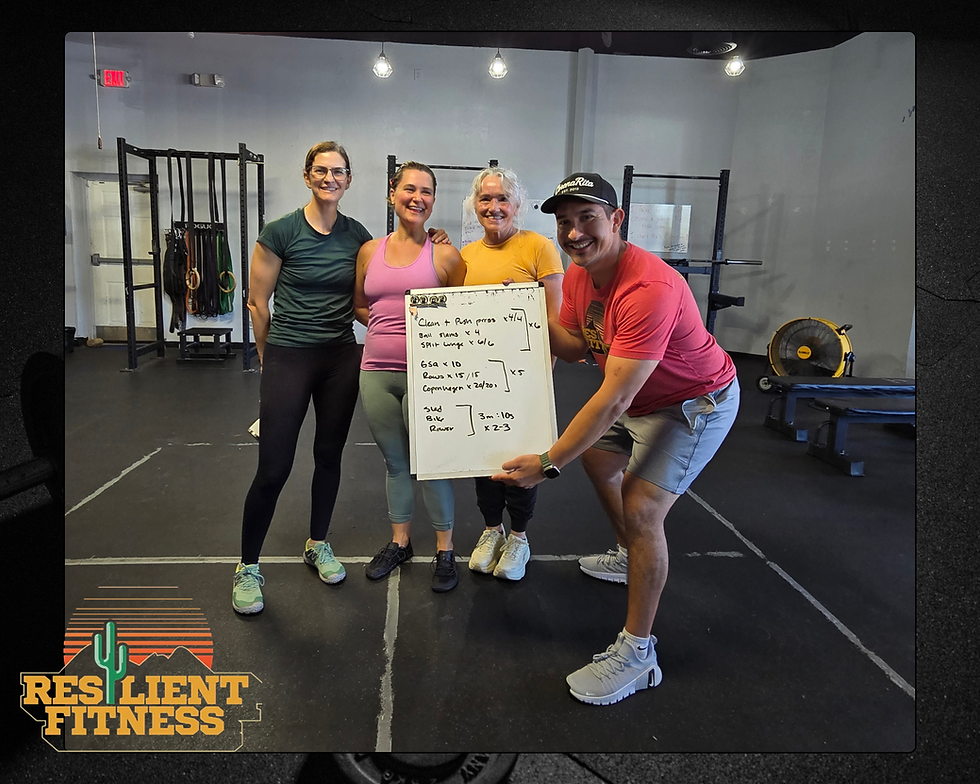
As a strength coach at Resilient Fitness, I work with busy adults trying to get strong, lose weight, and feel better.
As a youth sports coach, I see parents trying to place their kids in the right environment.
Different arenas. Same problem.
People rush the decision… and pay for it later.
Because the right coach doesn’t just give you workouts or drills—
They give you direction, clarity, and confidence.
So how do you actually choose the right one?
Let’s break it down.
1. Start with a Clear Direction
Before anything else, you need to understand what your coach is trying to build.
Some coaches are about intensity.
Some are about precision.
Some are about consistency.
Some are about connection.
None of those are wrong.
But one of them needs to be right for you.
In youth sports, I always tell parents:
Don’t just ask if the team wins—ask what the players are becoming.
Are they learning?
Improving?
Building confidence?
Same thing in fitness.
Are you following a structured plan?
Are you improving week to week?
Or are you just showing up and hoping it works?
At Resilient Fitness, our direction is simple:
Build strength that lasts.
Not just for today.For life.
2. Look for Structure (Not Just Sweat)
Anyone can make you tired.
That’s easy.
What’s harder—and far more valuable—is building a system that actually works.
When I coach soccer, we don’t just run drills.
We teach positioning, decision-making, and awareness.
There’s intention behind everything.
In the gym, it’s no different.
You should know:
What you’re working on
Why you’re doing it
And how it’s progressing
Some people thrive when they can see the numbers moving.
Others just want to feel themselves getting stronger and more confident.
Both matter.
But without structure, neither happens.
3. Make Sure It Fits Your Life
This is where most programs fall apart.
They look good on paper—but don’t work in real life.
Busy schedule.
Kids.
Work stress.
Limited time.
If your program doesn’t account for that, it won’t last.
In youth sports, I’ve coached kids at all levels.
Some need more challenge.
Some need more support.
Some need space to grow into the game.
It’s not one-size-fits-all.
Same thing in training.
You need something that:
Meets you where you are
Pushes you appropriately
And adjusts when life happens
If it only works when everything is perfect—it’s not built for real people.
4. Pay Attention to How They Coach
This one gets overlooked—but it’s everything.
Some coaches bring energy and push you.
Some give you detailed breakdowns and precision.
Some create a calm, steady environment.
Some know exactly when to challenge you and when to pull back.
The question isn’t which one is best.
The question is—which one brings out your best?
Because even the perfect plan won’t work if the message doesn’t land.
You should leave sessions:
Clear on what you did
Confident in how you did it
And motivated to come back
If you don’t feel that—it’s not the right fit.
5. They Should Adjust, Not Just Push
Life isn’t predictable.
Energy fluctuates.
Stress builds.
Bodies break down and build back up.
A good coach understands that.
They don’t just push harder—they adjust smarter.
In a game, we shift formations based on what’s happening.
In training, it’s the same idea:
Modify when needed
Progress when ready
Keep moving forward without forcing it
Progress isn’t about doing more.
It’s about doing what’s right, at the right time.
6. Trust the Environment
At some point, it becomes simple:
Do you feel like you belong there?
Because results don’t just come from programming—
They come from environment.
In youth sports, kids develop faster when they feel supported and challenged.
In the gym, adults stay consistent when they feel:
Seen
Encouraged
And part of something
You shouldn’t feel like just another number.
You should feel like someone who matters.
7. Are They Building You… or Just Burning You Out?
This is the question that ties it all together.
Are you actually improving?
Or are you just exhausted?
Some coaches rely on intensity because it looks good.
But intensity without direction leads to burnout.
A great coach builds you:
Stronger
More capable
More confident
More independent over time
They don’t just run you through workouts.
They develop you.
Final Thoughts: Choose With Intention
Choosing a coach isn’t a small decision.
It shapes your experience.
Your results.
And your confidence moving forward.
I’ve seen what happens when people get it right.
Momentum builds.
Habits stick.
Life improves.
And I’ve seen what happens when they don’t.
Frustration.
Inconsistency.
Starting over—again and again.
Take your time.
Ask better questions.
Find the coach that actually fits you.
Ready to Train With Purpose?
If you’re in Tucson and you’re ready for something that actually works—
Not random workouts.Not guesswork.Not burnout.
We’ll sit down, talk through your goals, and map out a clear plan forward.
No pressure. Just clarity.
Let’s build something that lasts.


Comments